





.svg)











 Michael Dorf
8 minutes read
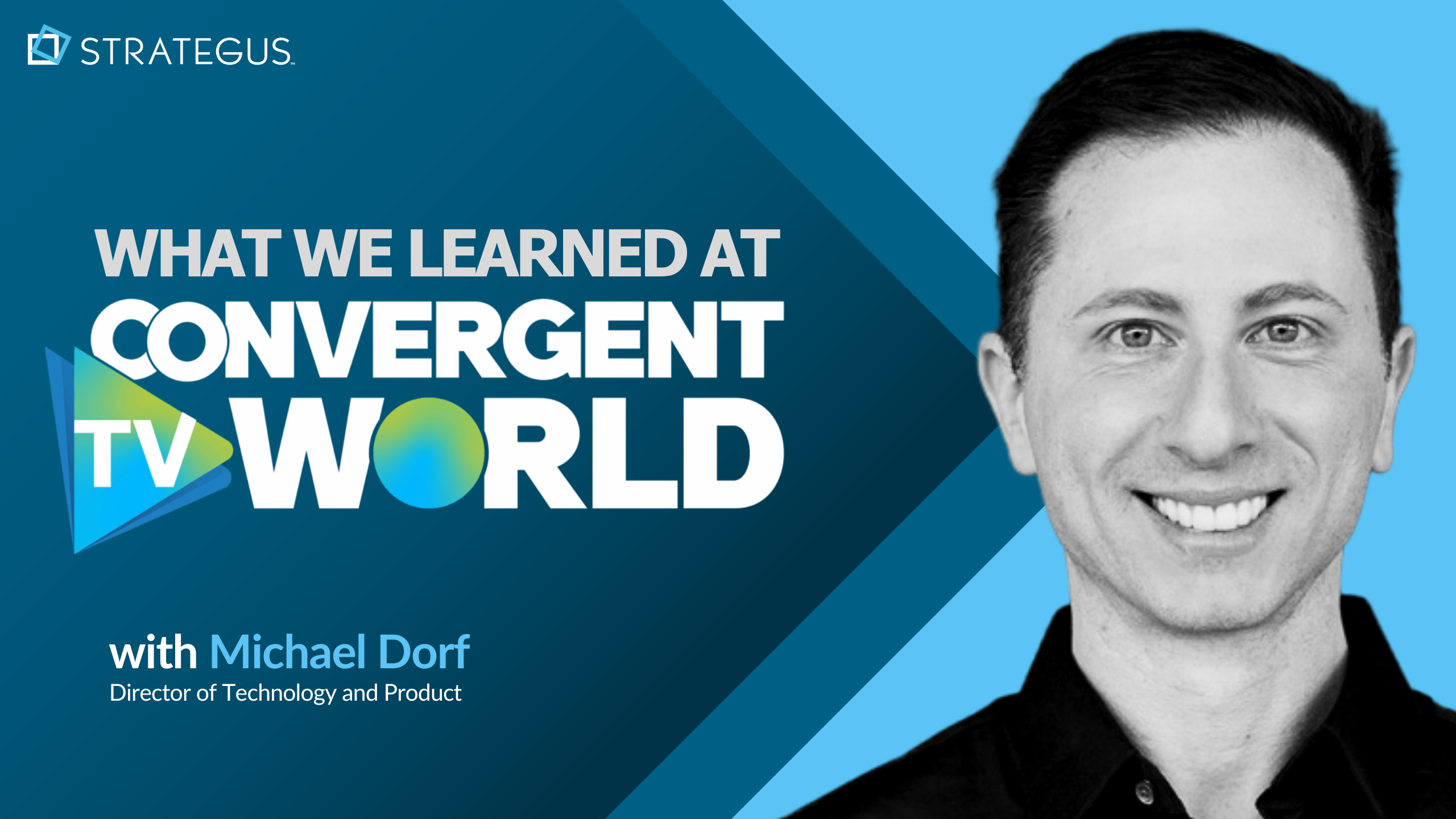
Earlier this month, our team attended Convergent TV World in New York, where many of the biggest players in streaming and advertising gathered to discuss what’s next for television.
With CTV ad spend expected to surpass $35 billion this year, many of the discussions centered on how measurement, inventory, and AI buying strategies are evolving alongside the growth.
Here are the takeaways that stood out most.
Measurement Is Becoming the Industry’s Biggest Battleground
If there was one topic that dominated the event, it was measurement.
Most digital advertising still relies on tracking pixels to measure results. But that system was built for websites and mobile apps, not for televisions.
Think about how people actually watch TV today.
Someone might see an ad on their living room screen… and then make a purchase later on their phone or laptop. Traditional tracking often struggles to connect those two actions.
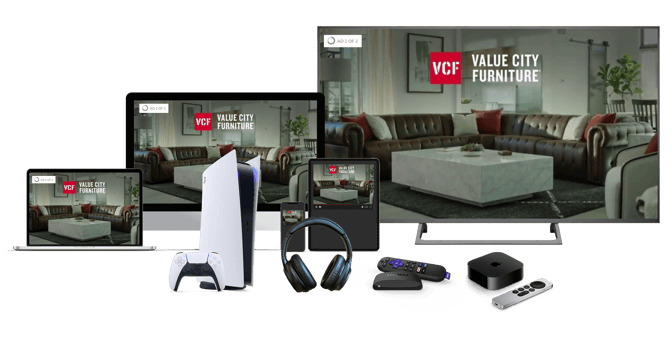
Several speakers shared examples showing just how large that gap can be.
In one campaign, pixel tracking reported 109 purchases. When analysts used IP-based matching on the same campaign, they identified over 1,200 purchases tied to the ads.
The difference comes down to a few realities of today’s devices:
- Many users block tracking pixels
- Apple privacy updates reduced cross-app tracking
- TV devices often don’t support traditional web tracking methods
One stat shared during the conference stood out. When brands analyzed results using marketing mix modeling, CTV delivered 46% higher ROAS than the average marketing channel, ranking second only to Amazon. It outperformed platforms like Google, Meta, TikTok, podcasts, and influencer marketing (via Measured).
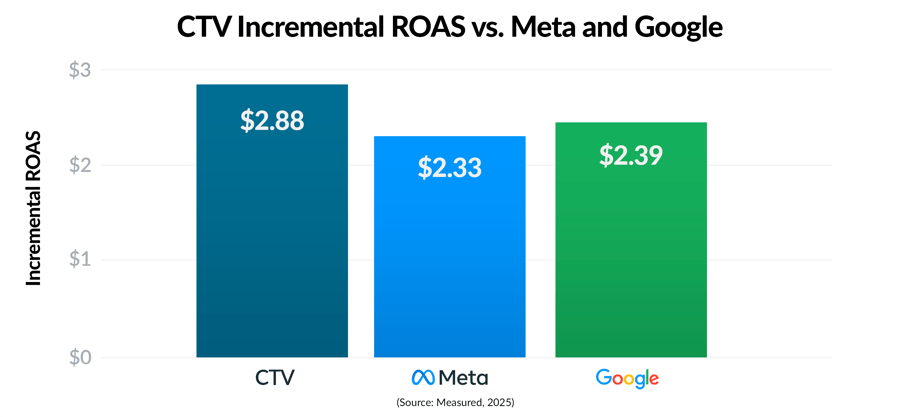
The industry is finally catching up to how TV actually works across devices.
Three things guide how we approach it:
1. Incrementality over correlation
Anyone can show a conversion after an ad runs. The real question is whether that conversion would have happened anyway. Incrementality testing isolates the true impact of CTV, moving beyond surface-level attribution.
2. Media first, measurement to prove it
Measurement supports the strategy, not the other way around. Strong audience planning and premium inventory still drive performance. Measurement validates that impact across channels.
3. A measurement stack built for TV
No single method tells the full story. The most effective approach combines:
- IP-based attribution tied to impression logs and CRM data
- Server-to-server tracking where available
- MMM for a full-funnel view of performance
As the industry continues to evolve, marketers who understand these models will be better positioned to connect CTV exposure to real business outcomes.

Premium Video Still Commands the Most Attention
Another theme that came up throughout the event was the difference between premium streaming environments and user-generated video platforms.
Studies presented during the conference showed that ads placed within premium TV content consistently receive more viewer attention and stronger recall. In one eye-tracking study discussed at the event, YouTube ranked 19th of 22 video environments tested for viewer attention.
For advertisers, this reinforces something many already see in their campaign results: not all video impressions are equal.
But the impact of television often goes beyond the initial impression.
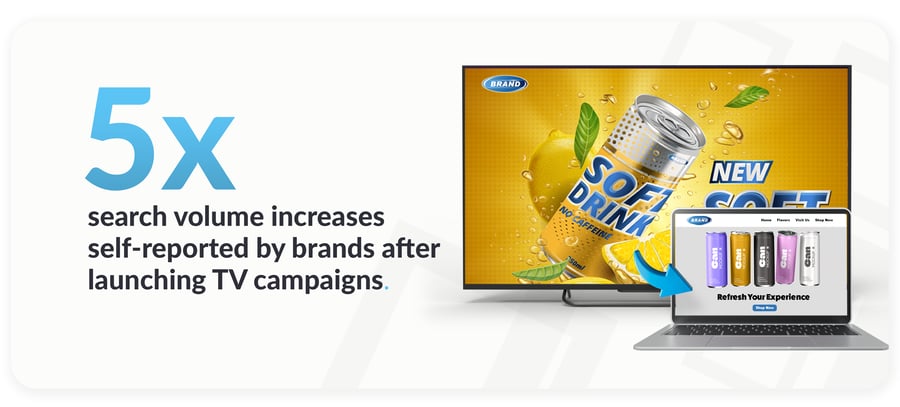
Several speakers shared examples showing how TV campaigns can lift performance across other channels. Some brands reported that search volume increased by as much as 5x after launching television campaigns, suggesting that premium video can influence consumer behavior well beyond the moment the ad is viewed.
In other words, the environment surrounding the ad still matters. When viewers are more engaged with the content, the advertising within it tends to perform better as well.
The Rise of FAST and the New TV Discovery Experience
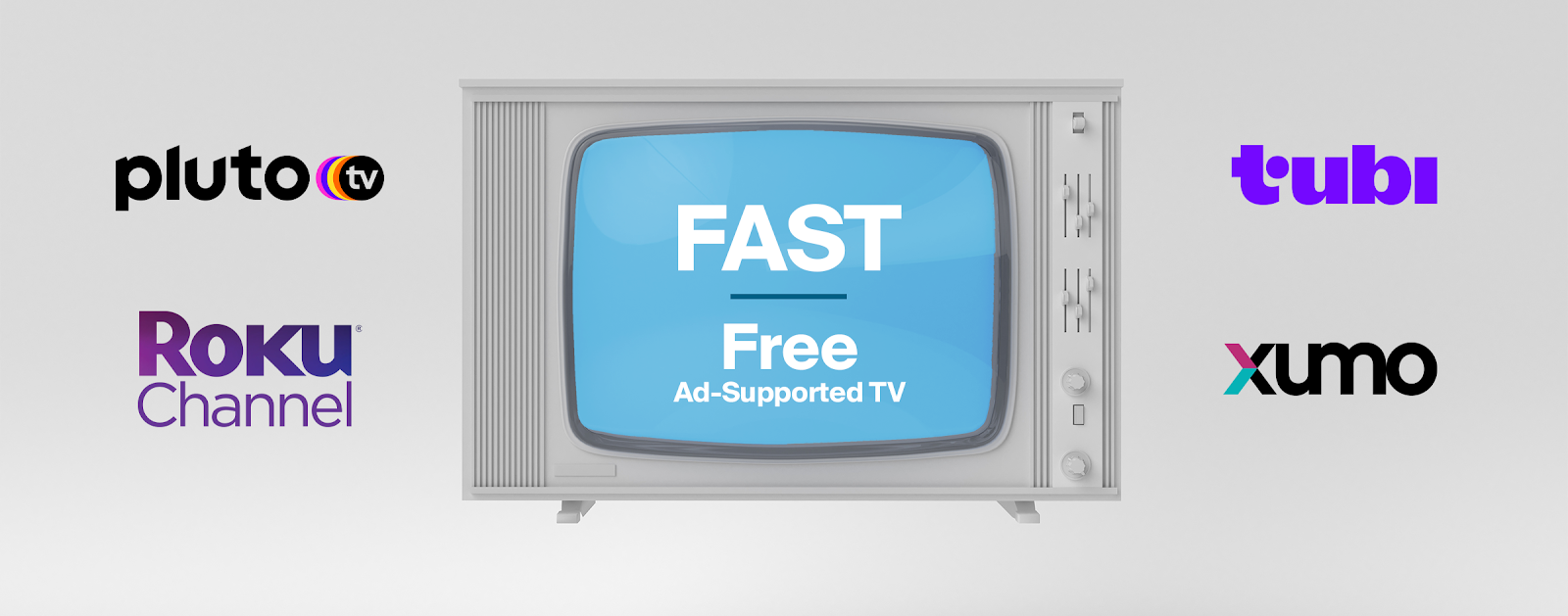
The way viewers discover content is changing.
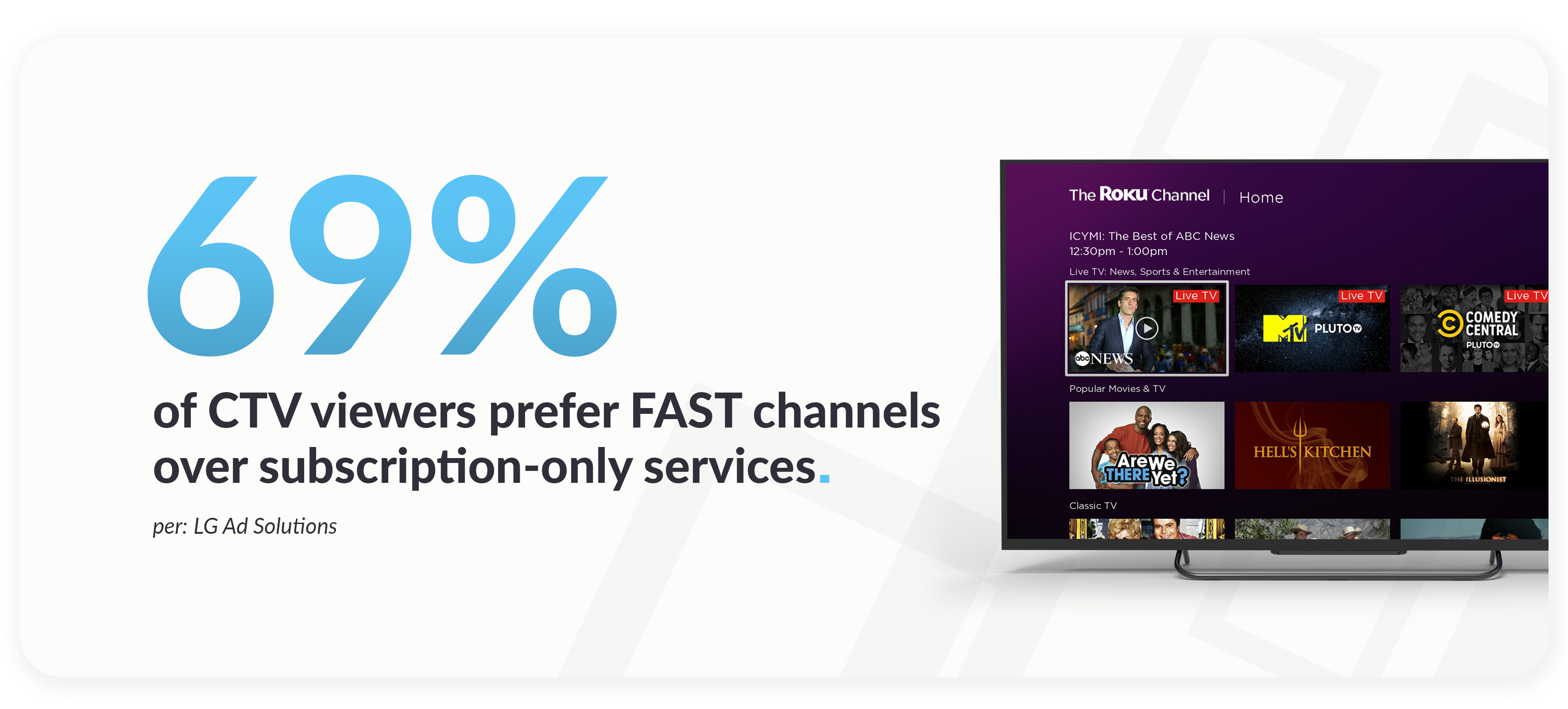
Unlike subscription streaming services, where users can spend several minutes deciding what to watch, FAST platforms (Free Ad-Supported Streaming TV) allow viewers to simply turn on a channel and start watching.
Because of this, the discovery process often begins the moment the television turns on, rather than when someone actively searches for a specific show.
FAST platforms are also creating a significant increase in available inventory hours, giving advertisers more opportunities to reach viewers across streaming environments.
Another emerging area discussed during the event was home screen advertising.
More than 90% of marketers are now aware of this format, but adoption is still relatively low. As streaming platforms continue to evolve, advertising opportunities may begin before viewers even select content, appearing directly on the TV’s home screen as audiences start their viewing session.
For advertisers, this shift opens the door to new ways of reaching audiences earlier in the viewing journey while also expanding the amount of available inventory across the CTV ecosystem.
AI Is Quietly Reshaping the Media Supply Chain
Surprise, surprise…artificial intelligence was another major topic throughout the conference.
But most of the real-world applications discussed weren’t about replacing marketers. Instead, the focus was on how AI can help improve the operational side of media buying.
Examples included:
- Mapping data across fragmented advertising platforms
- Automatically adapting creative formats for different screens and devices
- Scene-level contextual targeting within streaming content
In other words, AI is becoming a tool that helps connect the many moving parts of modern media buying.
At the same time, some emerging developments suggest the technology could reshape how advertising transactions happen in the future.
One example discussed during the event was the early development of “agentic” media buying, where automated systems representing buyers and sellers negotiate inventory directly with one another. While still in the early stages, this type of automation could eventually reduce transaction costs across parts of the supply chain.

Even with these advancements, one point came up repeatedly during the conference:
AI may improve how the system works, but human expertise remains essential.
Strategy, creative judgment, and campaign oversight still play a critical role in running successful advertising campaigns.
New Advertisers Are Entering the TV Market
One of the more interesting conversations at the event focused on who is now advertising on television.
Industries that historically struggled to afford traditional TV are now using streaming to scale their marketing programs. Categories mentioned frequently included:
- Tourism organizations
- Casinos and entertainment venues
- Trade schools
- Local service businesses like HVAC companies
Streaming allows these advertisers to reach large audiences while still applying the data and optimization strategies they are used to in digital media.
But entering the TV ecosystem is not always simple.
Campaigns often run across multiple platforms, inventory sources, and measurement systems. For brands that are used to more straightforward digital channels, navigating that landscape can be difficult.
Because of this, many new entrants are relying on managed service partners to guide the process.
Rather than building large internal teams or learning the complexities of programmatic TV from scratch, advertisers can work with partners who already have the infrastructure, platform access, and expertise in place.
This allows brands to compete in the CTV marketplace without the overhead of building a full TV buying operation themselves.
As more advertisers move into streaming, agencies that can operate across multiple DSPs and inventory sources are becoming increasingly valuable for brands looking to navigate the expanding CTV ecosystem.

What It All Means for Marketers
One theme came through clearly at Convergent TV World, CTV is no longer a side channel in the media mix.
Connected TV is now:
- A mature channel with significant budget growth
- A key driver of incremental reach beyond traditional digital platforms
- An increasingly important part of performance-focused media strategies
At the same time, measurement standards, supply fragmentation, and new technologies will continue shaping how marketers approach the space over the next few years.
For brands and agencies willing to embrace these changes, the opportunity is substantial. As the ecosystem continues to evolve, staying informed and working with experienced partners can make navigating these shifts much easier.



Strategus is a managed services connected TV(CTV) advertising agency with over 60,000+ campaigns delivered. Find out how our experts can extend your team and drive the result that matter most.
What to read next